

The Inclusive Futures GESI & SECAP Training empowered Coffee Farmers Organizations in BARMM to adopt inclusive, gender-responsive, and climate-resilient practices for sustainable community development.
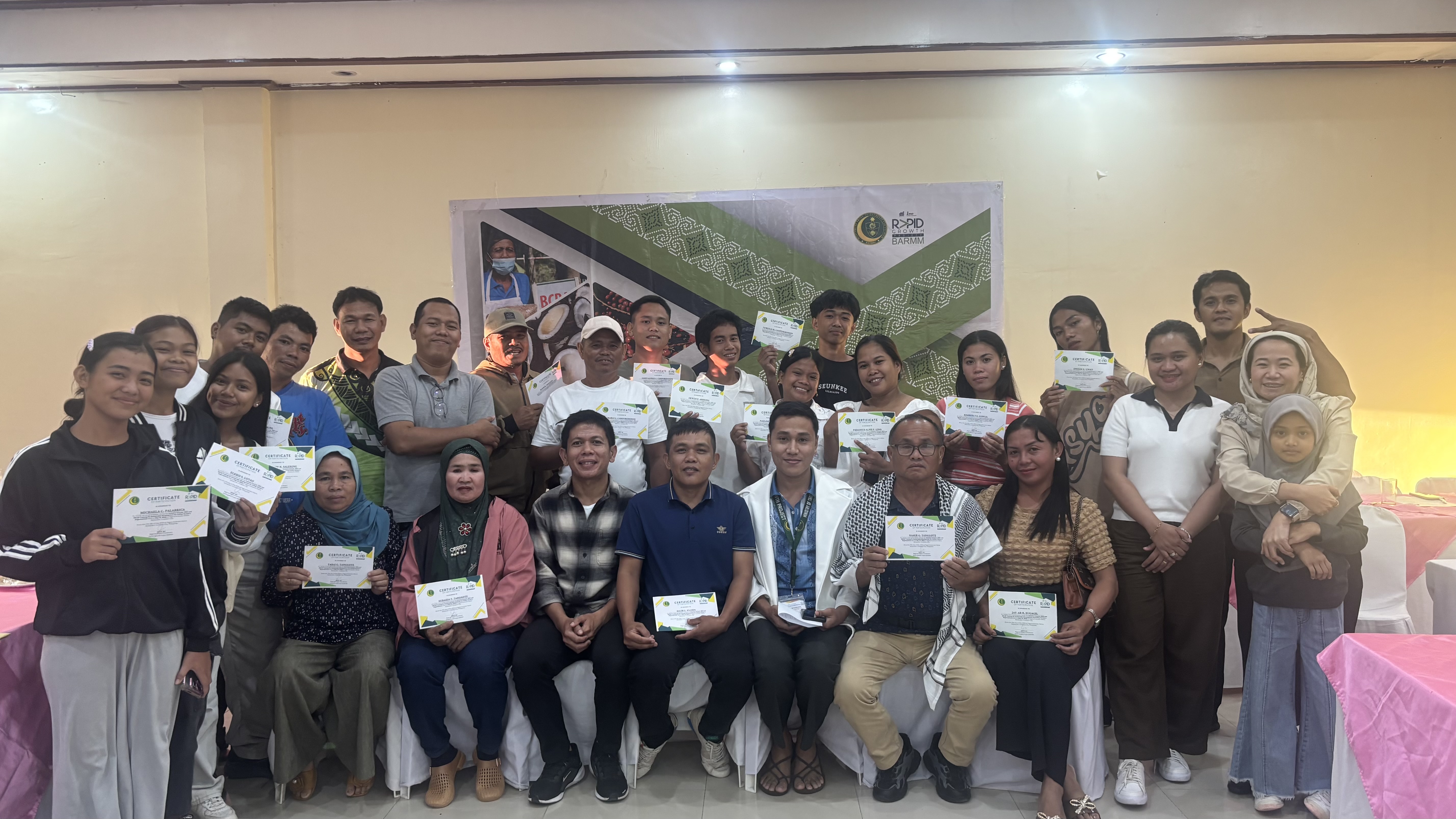
The Inclusive Futures GESI & SECAP Training empowered Coffee Farmers Organizations in BARMM to adopt inclusive, gender-responsive, and climate-resilient practices for sustainable community development.
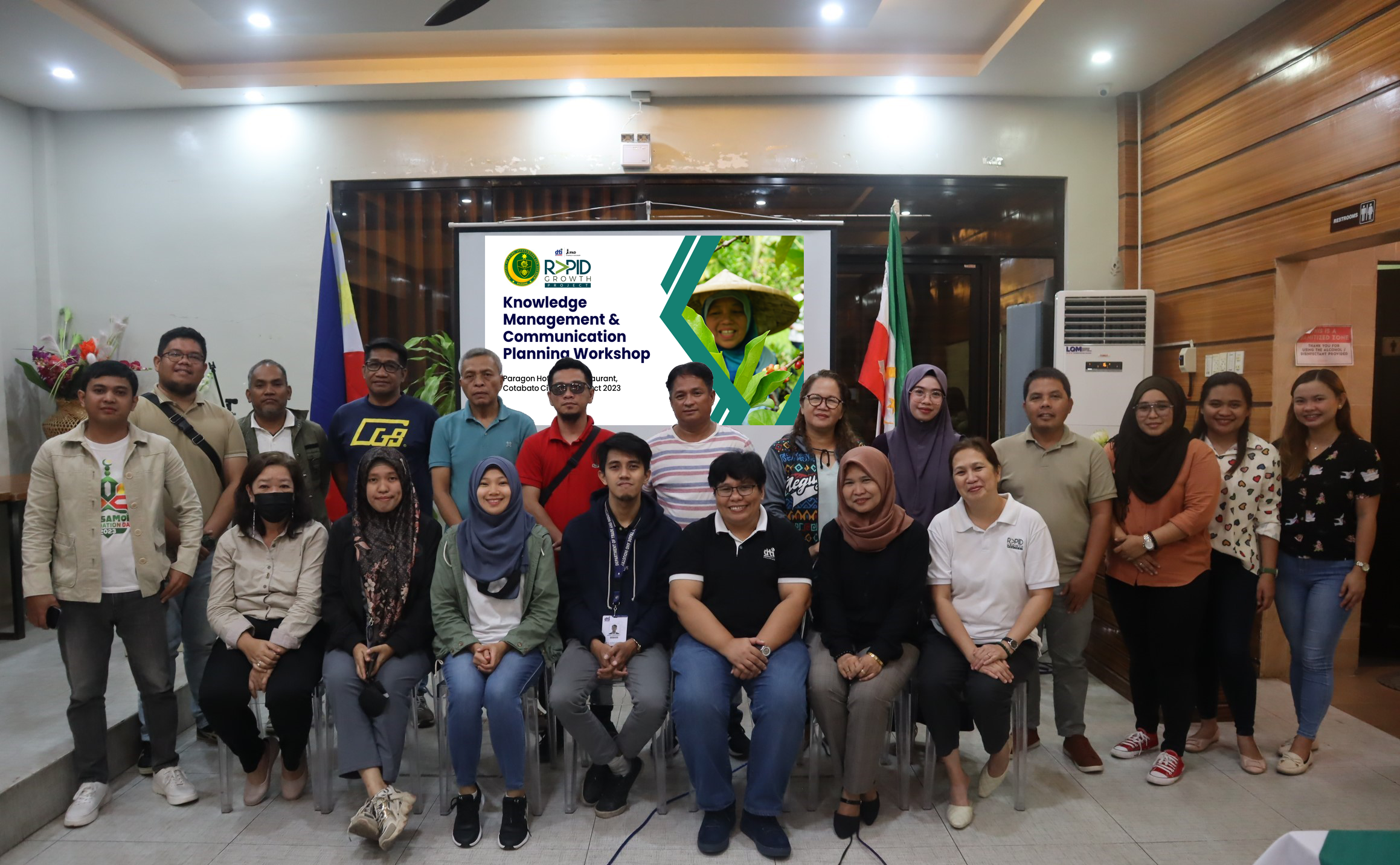
*Group photo
Cotabato City, May 13, 2026 — Coffee Farmers Organizations (FOs) in Maguindanao took part in the Inclusive Futures: Gender Equality and Social Inclusion (GESI) & Social, Environmental, and Climate Assessment Procedure (SECAP) Training for Sustainable Development, held at Pagana Kutawato Native Restaurant in Cotabato City.
The training gathered 19 participants, evenly represented by men and women, who engaged in interactive sessions on gender equality, social inclusion, and climate-sensitive planning. BARMM RAPID Technical Adviser Nishreen Hashim emphasized youth engagement in her welcome message, while Regional Project Coordinator Ian Ali highlighted the importance of empowering women and youth in organizational decision-making. RAPID BARMM GESI Focal Joemar Demonteverde presented the training overview, and Akrima “Ate Krems” Arap of UnYPhil-Women, Inc., facilitated participatory sessions using the bibingka methodology to encourage innovative thinking.
Community representatives from South Upi, Ampatuan, and Barira presented organizational maps and identified challenges such as drought, landslides, and pest infestations. Proposed interventions included improving water systems, sourcing water from Kilantan Spring, installing shading structures, and providing fertilizer support. RAPID staff and SECAP Focal Engr. Norhasim Purong provided technical insights and commended participants for their comprehensive outputs.
The training concluded with a renewed commitment from coffee farmers' organizations to promote equality, inclusion, and resilience in their communities, contributing to sustainable agricultural development across BARMM.