

This article highlights how the RAPID Growth Project equipped Claveria organic coffee farmers with practical skills on soil regeneration, bio-composting, and climate-resilient farm innovation.
This article highlights how the RAPID Growth Project equipped Claveria organic coffee farmers with practical skills on soil regeneration, bio-composting, and climate-resilient farm innovation.
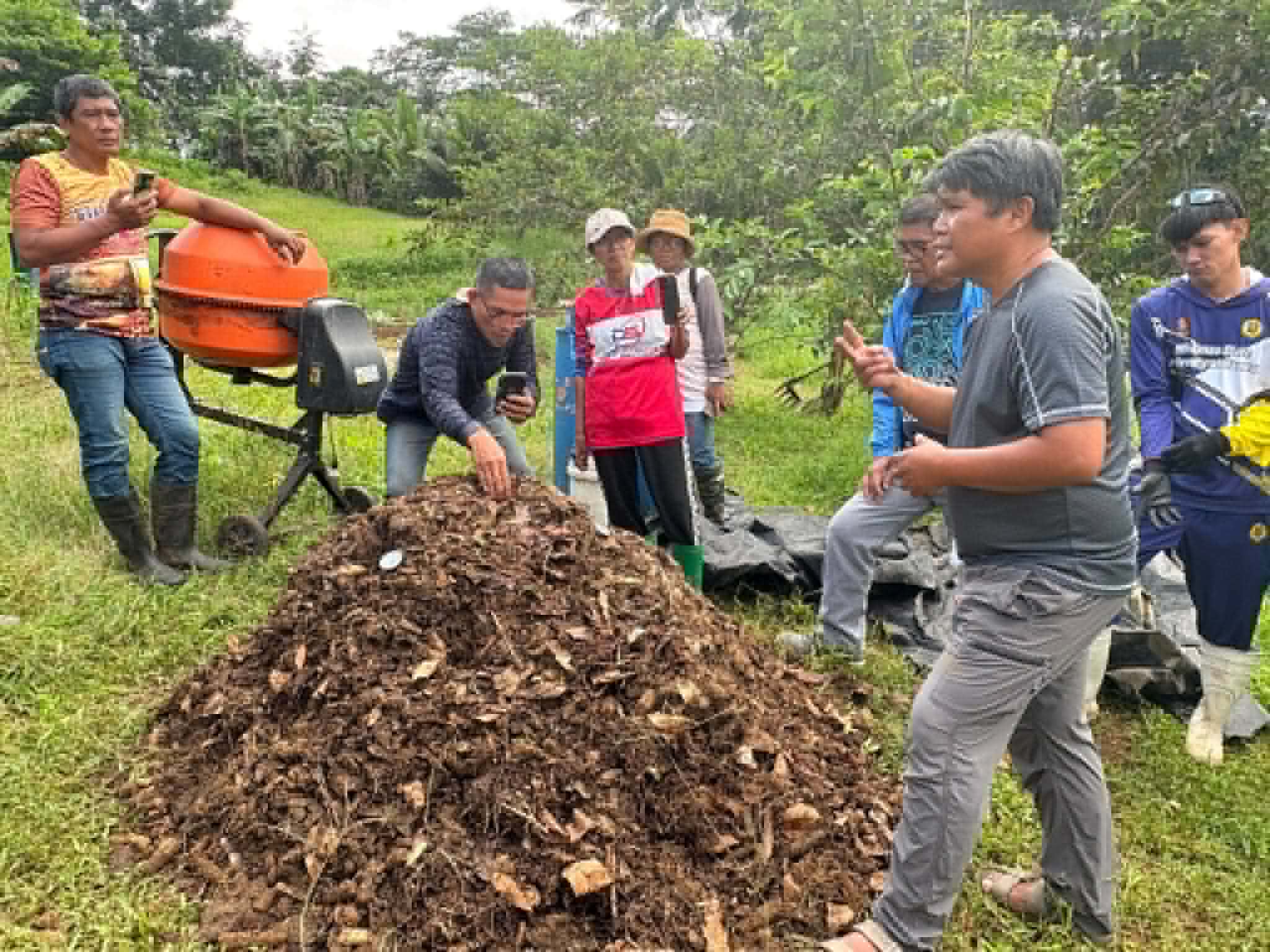
*Participants prepare bio-compost as part of the hands-on activities under the RAPID Growth Project’s SECAP Training on Farm Innovation
CLAVERIA, Misamis Oriental — The Department of Trade and Industry (DTI) Misamis Oriental, through the Rural Agro-enterprise Partnership for Inclusive Development and Growth (RAPID Growth) Project, conducted the Social, Environmental and Climate Assessment Procedures (SECAP): Hands-on Training on Farm Innovation to Enhance Farmers’ Capacity in Processing Organic Coffee (Batch 1) on July 7–9, 2026 at Living Soils Rural Ventures, Claveria, Misamis Oriental.
The three-day training gathered 20 participants composed of coffee farmers from the Mat-I Higaonon Free Farmers Association (MAHIFFA), Kapunungan Alang sa Ugmang Haruhay Ug Masanag Nga Niluntaran (KAUMAHAN), and Claveria Coffee Farmers & Processors Association (CLACOFPA), together with agriculture student-trainees from Mindanao State University at Naawan.
The activity aimed to strengthen the capacities of coffee farmers in adopting farm innovation practices that support soil regeneration, organic production, and improved farm productivity. It also formed part of the RAPID Growth Project’s efforts to promote climate-resilient farming systems and strengthen rural value chains in Misamis Oriental.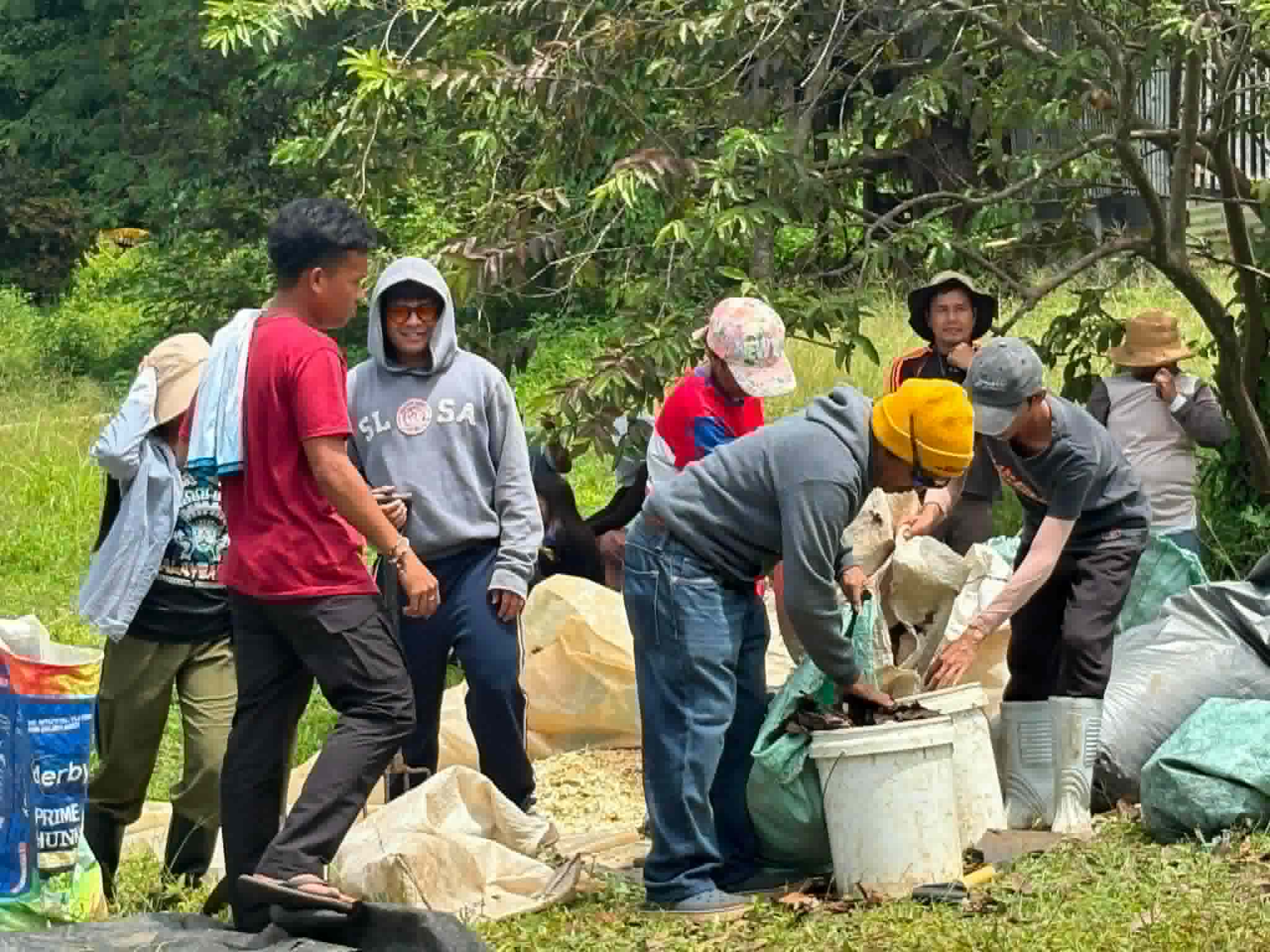
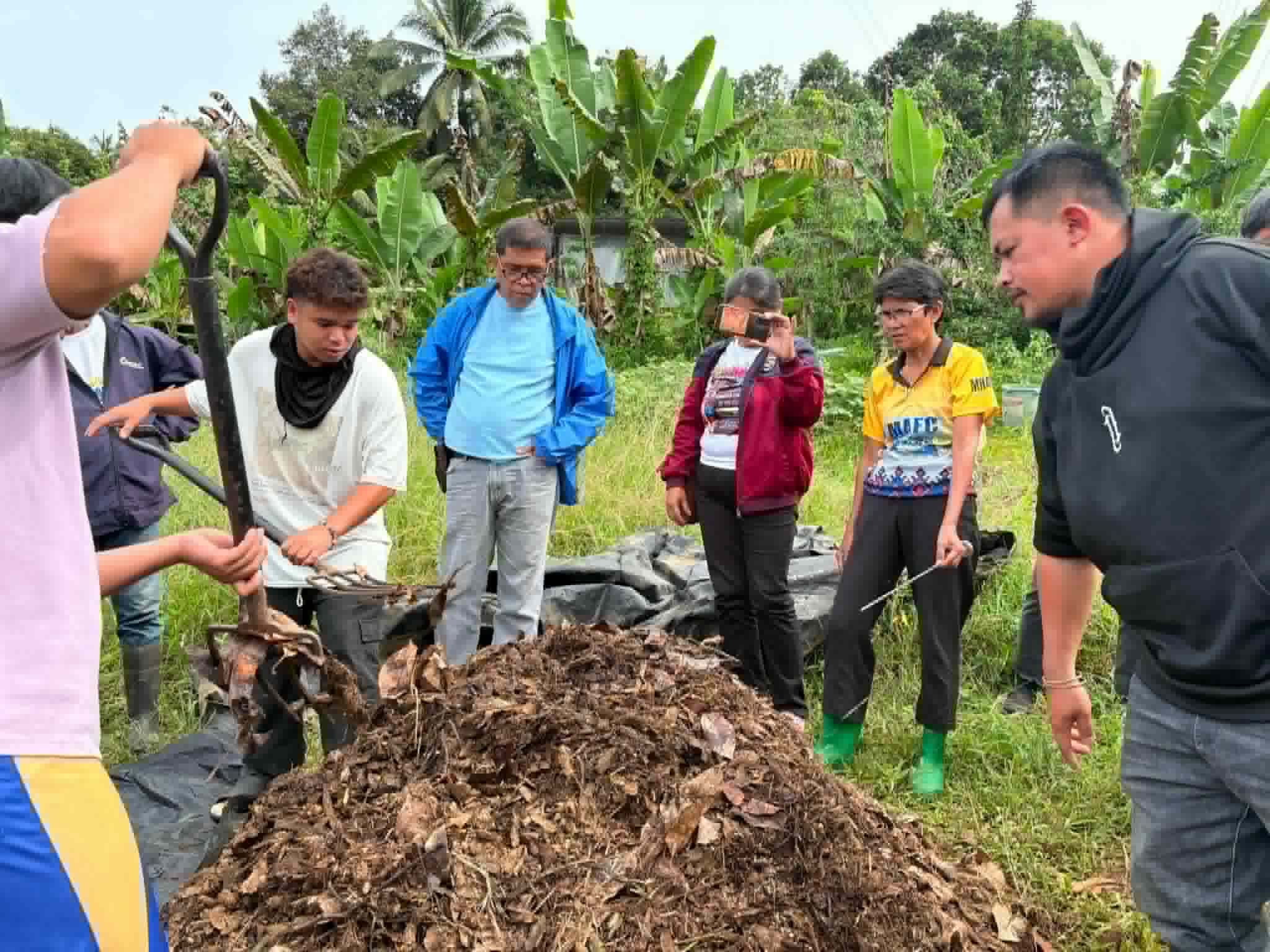
The training was facilitated by Engr. Gerry R. Burdas, RPAE, who shared his technical knowledge and industry experience in agricultural operations management, post-harvest practices, mechanization, irrigation, and crop management. Through lectures and field-based learning activities, participants were introduced to non-conventional farming approaches that encourage the growth of beneficial bacteria and microorganisms in the soil.
On the first day, participants attended lectures on soil assessment and the role of microorganisms in improving soil fertility. They also conducted an actual field observation to assess farm soil conditions, crop status, and production practices. The day concluded with selected participants sharing their learning insights from the discussions and field activity.
The second day focused on practical demonstrations and hands-on activities on bio-compost making and bio-solution preparation, which were performed by the farmer-participants and student-trainees. These activities provided participants with a better understanding of natural inputs that may help reduce dependence on chemical fertilizers and pesticides.
On the final day, participants learned the follow-up procedures for bio-compost management, including temperature reading, proper re-mixing, and monitoring practices. The activity concluded with a synthesis session where participants shared their learning experiences, comments, suggestions, and possible areas for future follow-up activities.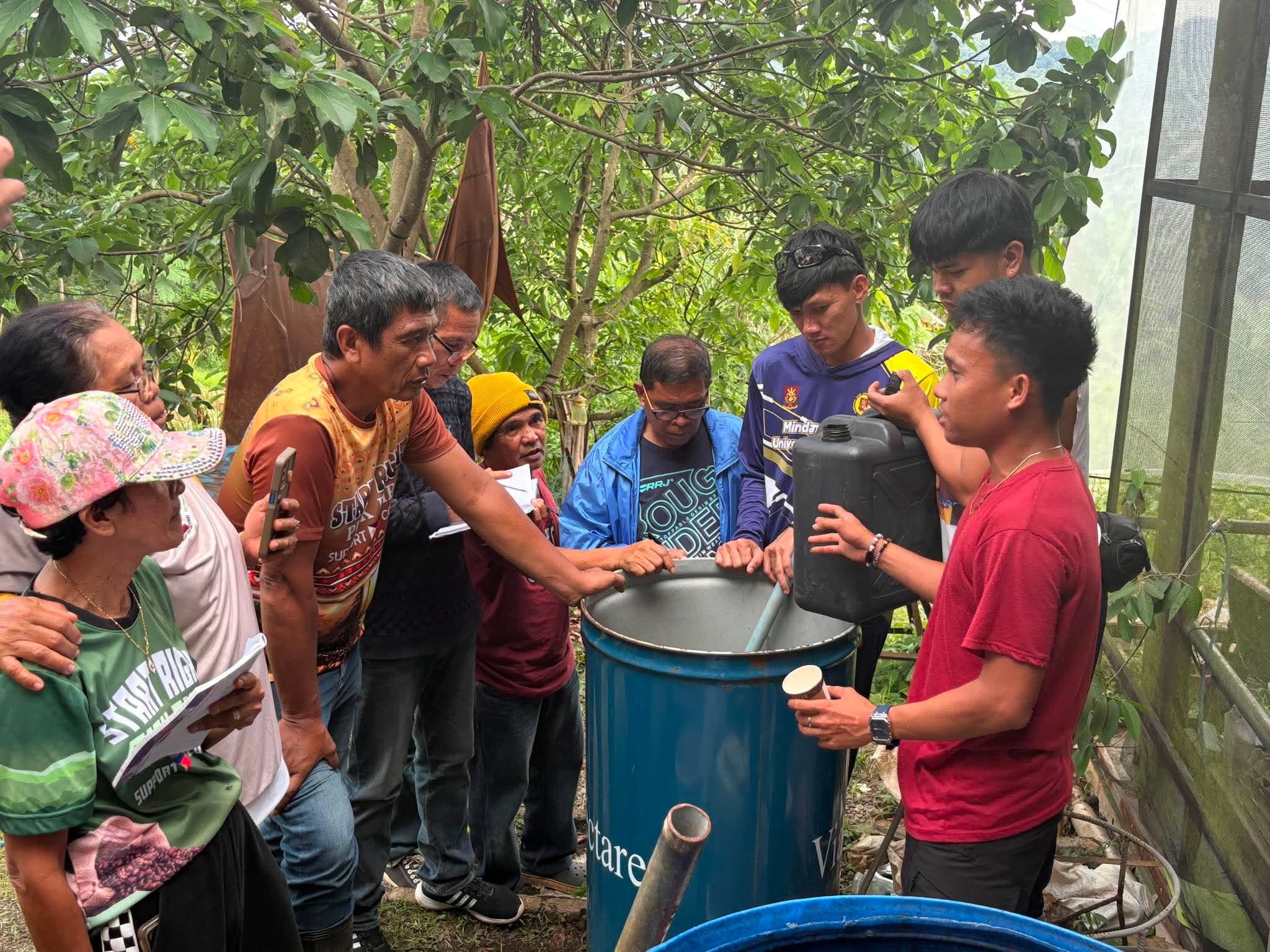
Through the training, participating coffee farmers gained practical knowledge on soil regeneration and organic farm management practices that may help improve farm conditions, reduce input costs, and enhance the quality of coffee production.
The activity supports the broader objective of the RAPID Growth Project to improve the income and livelihoods of smallholder farmers by strengthening agricultural value chains, promoting enterprise development, improving market access, and encouraging sustainable and climate-resilient farming practices in rural communities.