

The RAPID-BARMM Regional Technical Working Group convened its 5th meeting to address implementation challenges, strengthen coffee and coconut value chains, advance infrastructure referrals, and lay the groundwork for the project's sustainability and trans
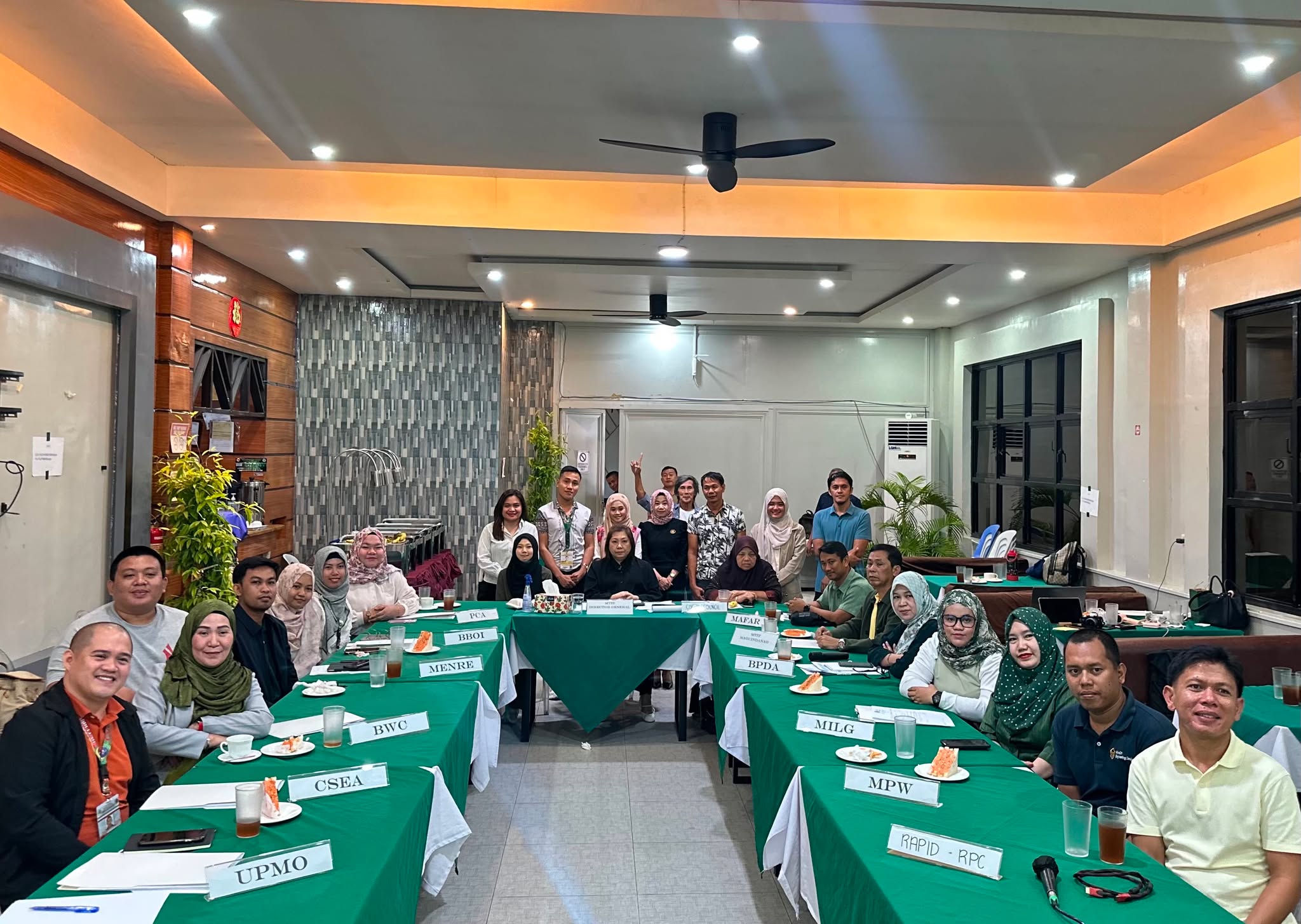
The RAPID-BARMM Regional Technical Working Group convened its 5th meeting to address implementation challenges, strengthen coffee and coconut value chains, advance infrastructure referrals, and lay the groundwork for the project's sustainability and trans
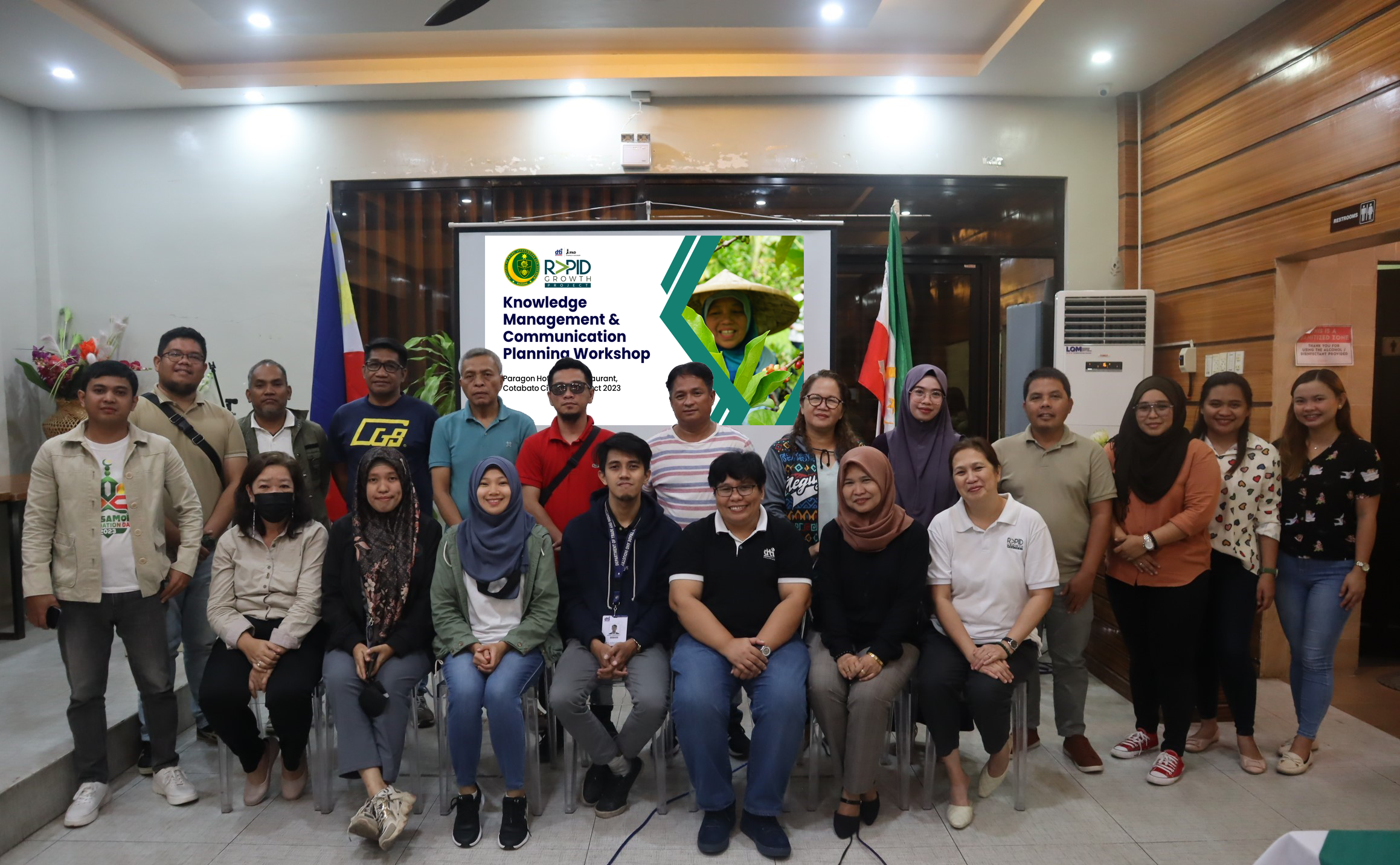
*Group photo
COTABATO CITY, BARMM—The Regional Technical Working Group (RTWG) of the Rural Agro-enterprise Partnership for Inclusive Development and Growth (RAPID) Growth Project in BARMM convened its 5th technical meeting on September 8, 2026, at Paragon Hotel, Cotabato City, to review the project's implementation status, address emerging challenges, and strengthen coordination among partner agencies in support of the project's remaining activities and sustainability. The meeting was presided over by the Ministry of Trade, Investment, and Tourism (MTIT), represented by Director General Rosslaini J. Alonto-Sinarimbo, in her capacity as Chairperson of the RAPID-BARMM RTWG. Representatives from participating ministries, offices, agencies, the RAPID Regional Coordination Unit, and the Maguindanao Coffee Council took part in the discussions. The RTWG reviewed the current status of the RAPID Growth Project and discussed key factors affecting implementation. Among the concerns raised were staff turnover, delays in the release of funds, and limited or unavailable government counterpart resources, which have affected project operations and the timely delivery of activities.
Strengthening the Coffee and Coconut Value Chains
For the Maguindanao Coffee Pamogon Supply Chain Detailed Investment Plan (DIP), the discussions focused on strengthening the participation and leadership of Farmer Organizations (FOs), addressing working capital requirements, improving access to post-harvest machinery, and ensuring the availability of packaging supplies and counterpart resources. The RTWG also considered the timing of expansion activities in relation to prevailing climate conditions and the continuing El Niño situation. The Maguindanao Coconut DIP was likewise reviewed, with the delayed release of approved Matching Grants identified as a concern that could affect the implementation of productive investments. The RTWG emphasized that investments in processing facilities need to be supported by viable market opportunities. Strengthening market linkages alongside infrastructure and equipment investments was highlighted as essential to ensuring that facilities are utilized and that products reach appropriate markets. To support this effort, the group recommended facilitating partnerships among Coconut DIP beneficiaries and potential buyers, consolidators, institutional markets, and private-sector partners. The meeting also identified Food and Drug Administration (FDA) compliance as an area requiring further assistance, particularly for Coconut Farmer Organizations preparing to meet food-safety requirements.
Improving Infrastructure and Market Connectivity
The RTWG also reviewed the status of proposed Farm-to-Market Road (FMR) projects intended to support project beneficiaries and improve connectivity. Several FMR proposals have already been endorsed to the appropriate funding mechanisms, while others are currently under implementation. The Ministry of Public Works (MPW) requested a consolidated list of FMR referrals for appropriate action, while the Ministry of Agriculture, Fisheries and Agrarian Reform (MAFAR) noted that proposals not accommodated under the 2027 programming may be considered for the 2028 call for proposals. The RTWG further emphasized the need to clarify funding sources and ensure that proposed infrastructure projects do not duplicate existing government-funded initiatives. Coordination among MAFAR, the Philippine Coconut Authority (PCA), MPW, the Bangsamoro Planning and Development Authority (BPDA), the Unified Project Management Office (UPMO), and concerned local government units (LGUs) was recommended to facilitate the endorsement and implementation of priority FMRs.
Preparing for Sustainability and Transition
With the RAPID Growth Project scheduled for completion in June 2027, the RTWG placed particular emphasis on accelerating remaining activities while laying the groundwork for a sustainable transition. Members agreed that sustainability planning should reflect the actual conditions, capacities, and needs of beneficiary organizations and enterprises. A dedicated sustainability planning session was proposed before the end of the year, with the 6th Quarter RTWG meeting also proposed to be expanded to include relevant stakeholders and LGUs. The meeting also highlighted the importance of clearly defining the roles and responsibilities of partner agencies and LGUs after project completion. The Maguindanao Coffee Council further emphasized the need for continued supervision and mechanisms that can provide support to cooperatives beyond the project period. The RTWG recognized that strengthening the organizational stability and entrepreneurial capacity of farmer organizations is essential to sustaining project-supported enterprises. Stronger organizations can provide a foundation for continued enterprise operations and future investment opportunities.
Strengthening Partnerships for the Project's Next Phase
As the meeting concluded, RTWG members reaffirmed their commitments to coordinate priority FMR referrals, support FDA and food-safety compliance among Coconut Farmer Organizations, develop a RAPID-BARMM Sustainability and Transition Plan, and engage LGUs and relevant stakeholders in the transition planning process. The group also agreed to continue monitoring and reporting progress on outstanding actions and remaining project activities. The 5th RTWG meeting underscored the importance of sustained inter-agency collaboration as RAPID-BARMM moves toward the final phase of implementation. Beyond addressing immediate implementation concerns, the discussions reflected a shared commitment to ensuring that project investments, strengthened organizations, and emerging enterprises can continue to create opportunities for farmers, cooperatives, women, youth, and rural enterprises beyond the project's completion.